Napa Valley
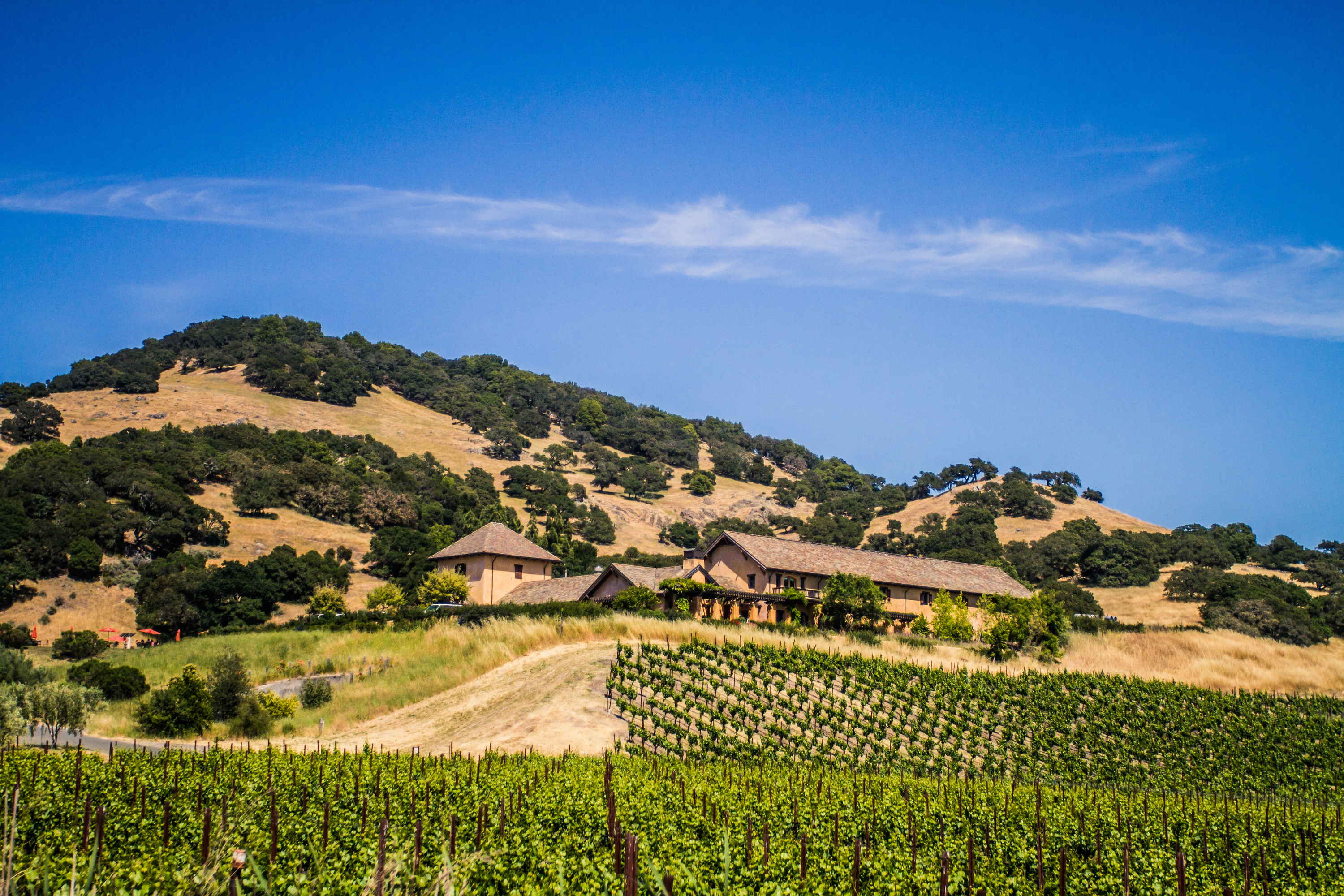
Seventeen appellations, thirty miles
The appellations stack from the cool Carneros fog line up to Calistoga's heat, with mountain districts on both ridges. Click any one to see what grows there and who to visit.
In 1976, at a blind tasting in Paris, a Stag's Leap Cabernet and a Chateau Montelena Chardonnay beat the French wines they were poured against. The result made Napa's reputation overnight and it has been trading on it, and living up to it, ever since. Robert Mondavi had opened his winery ten years earlier and set the template: this valley takes wine seriously and expects you to as well.
The seventeen appellations packed into that thirty miles are not a marketing exercise. Fog from San Pablo Bay cools Los Carneros in the south while Calistoga bakes at the northern end, and the Cabernet from a Rutherford bench tastes nothing like the one grown a thousand feet up Howell Mountain.
What Napa asks of you is forethought. Most of the best rooms take appointment holders only, some open reservations exactly two months ahead, and a walk-in Saturday in October is a good way to see parking lots. Book two or three tastings, leave room for lunch, and let the rest of the day happen.
When to go
Harvest runs roughly late August into October and the valley is at its best and busiest. Spring is green, quiet and cheaper. Summer weekends on Highway 29 are a traffic exercise. If you can travel midweek, do.
The trip is the easy part once you know where to point the car.