Willamette Valley
Eleven appellations, nested not lined up
The Willamette's appellations sit inside one another rather than side by side. Click any one to see where it fits and who is making wine there.
We cover the whole Willamette Valley, though not evenly. Nine in ten of the places we list sit between the Tualatin Hills and Salem, the northern stretch within about an hour of Portland where the tasting rooms, inns and restaurants are concentrated and where most visitors spend their time. Further south, through Corvallis to Eugene, we list a scattering of wineries and a few things to do rather than a full guide. We are still building that stretch out.
David Lett planted Pinot Noir in the Dundee Hills in 1965, when the accepted wisdom said Oregon was too cold and too wet to ripen it. He was right and the wisdom was wrong, and everything here follows from that: an industry built by people willing to be told they were making a mistake.
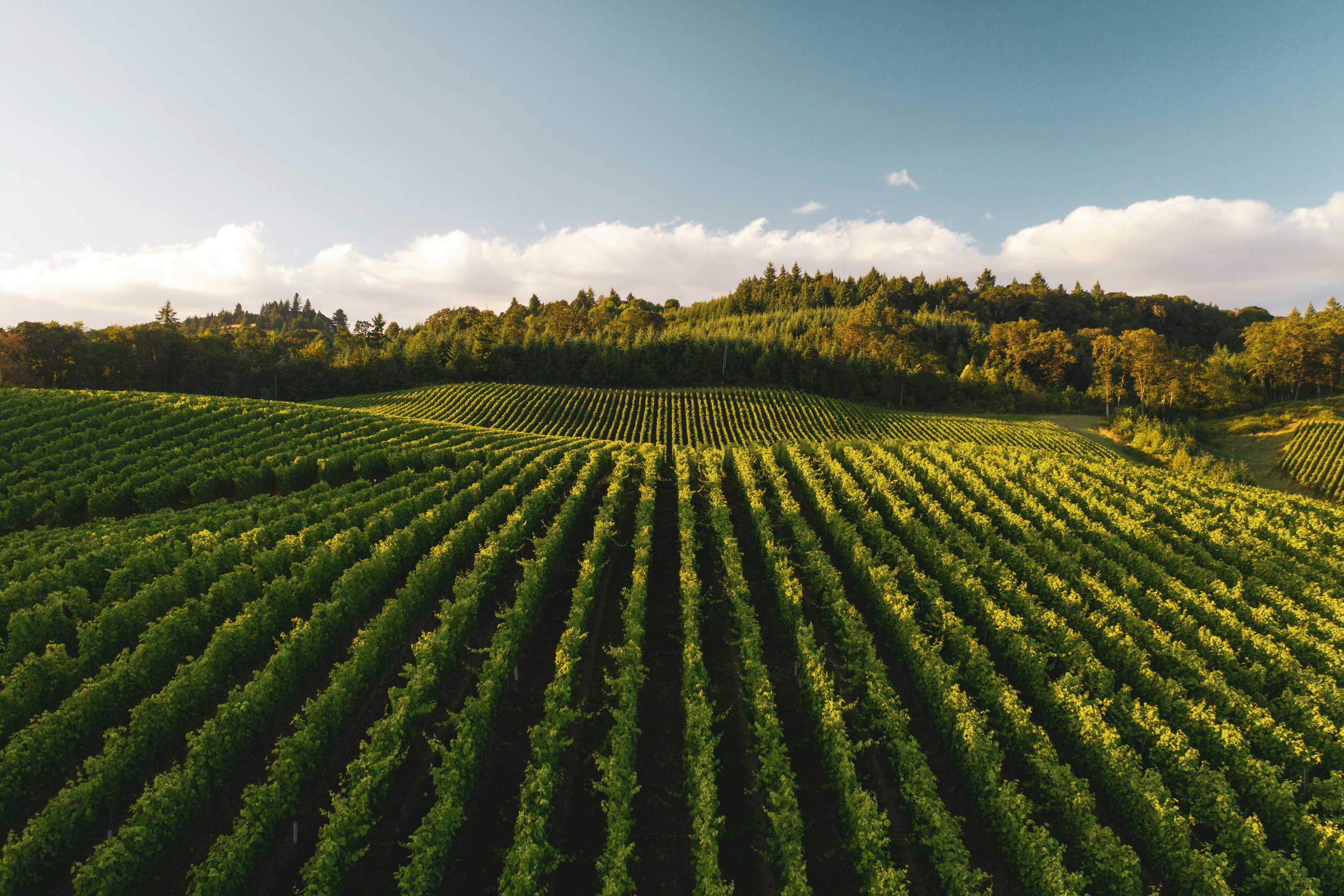
The scale is the appeal. Where Napa has estates, the Willamette has farms. Eleven appellations nest inside one another rather than lining up in a row, so Ribbon Ridge sits inside the Chehalem Mountains, which sits inside the Willamette Valley, and the difference between them is volcanic Jory soil in one place and marine sediment in the next. Tasting rooms are small, fees are modest, and appointments are a courtesy more often than a requirement.
Base yourself in McMinnville or Dundee and almost everything is inside forty minutes. The trade-off is dining: this is farm country, and outside McMinnville the options thin out quickly. Plan dinner with the same care you plan the tastings.
When to go
Harvest runs September into October and the valley turns gold. Summer is dry and warm, which surprises people who have only heard about Oregon rain. Winter is genuinely wet and many of the smaller rooms cut their hours, so check before you drive out.
Small wineries, short hours, long distances. Worth knowing before you go.