Closer to the Vine is live
We have spent the better part of a year building something that did not exist, and today it is open. Closer to the Vine covers three wine regions in detail, and the detail is the entire point.
What Closer to the Vine is
A planning tool, not a directory.
The difference matters. A directory tells you a winery exists and gives you its address. That is useful for about ninety seconds. A planning tool answers the questions that actually decide a Saturday: can I turn up without a booking, what will the tasting cost, is it a ten-minute drive from where I am staying or forty, and can I bring the dog.
We record those things as structured fields rather than prose, which means you can sort and filter on them, and it means we can tell you what we do not know. A blank in our data is a blank on the page. It is not quietly rounded to a yes.
What is live at launch
Two California regions, Napa Valley and Sonoma County, and one in Oregon, the Willamette Valley.
That comes to 780 places. The largest group is the wineries, 339 of them. Then 157 somewhere to sleep, 62 kitchens worth booking, 47 things to do that have nothing to do with wine, and 96 towns treated as places in their own right rather than as map pins. Coffee, transport and evening venues sit underneath those. Each region also carries appellation pages, because in wine country the boundary you are standing inside usually explains more than the county line does.
Every venue page carries the practical fields, a map wherever there is a fixed address to visit, and a description written by us rather than lifted from the venue’s marketing.
What “verified” means, in specific terms
It is the word every travel site uses, so here is ours with the working shown.
A fact on this site comes from the venue itself: its own website, or the booking platform it controls. Not an aggregator, not a listicle, not a review. When two sources disagree we go with what the venue publishes about itself and we note the conflict.
We ran that process over a single question, dog policies, across all 339 wineries in the three regions. It took a full day. The result: 163 wineries welcome dogs, 84 of them outdoors only, 57 say no, and 119 publish nothing at all on the subject. Every one of those 119 is recorded as unknown.
We could have filled those 119 blanks from third-party directories in about twenty minutes. Several of the directories we checked confidently state policies that the wineries themselves contradict. That is the whole argument for doing it the slow way.
The same pass found four wineries listed as open that have in fact stopped receiving visitors, and one that had been sold and renamed two years ago. All of those are now corrected. We would rather tell you that we find these than let you find them on the day.
Why wine travel planning is broken
Three reasons, and none of them is anybody’s fault exactly.
The information is fragmented across venue sites, booking platforms, regional tourism boards and review aggregators, and none of those has an incentive to tell you that a winery is appointment only, expensive, and forty minutes from everything else you booked.
It also goes stale fast. Tasting rooms open, close, move, get sold and change their booking model constantly. A page written in 2019 reads exactly like a page written last month.
And the aggregators optimize for inventory rather than usefulness. A list of twenty-five wineries sorted by nothing is not a plan. Knowing which four take walk-ins, sit within a mile of each other, and open on a Monday is a plan.
What is coming next
More regions. The structure was built to extend, and the next set is already in preparation.
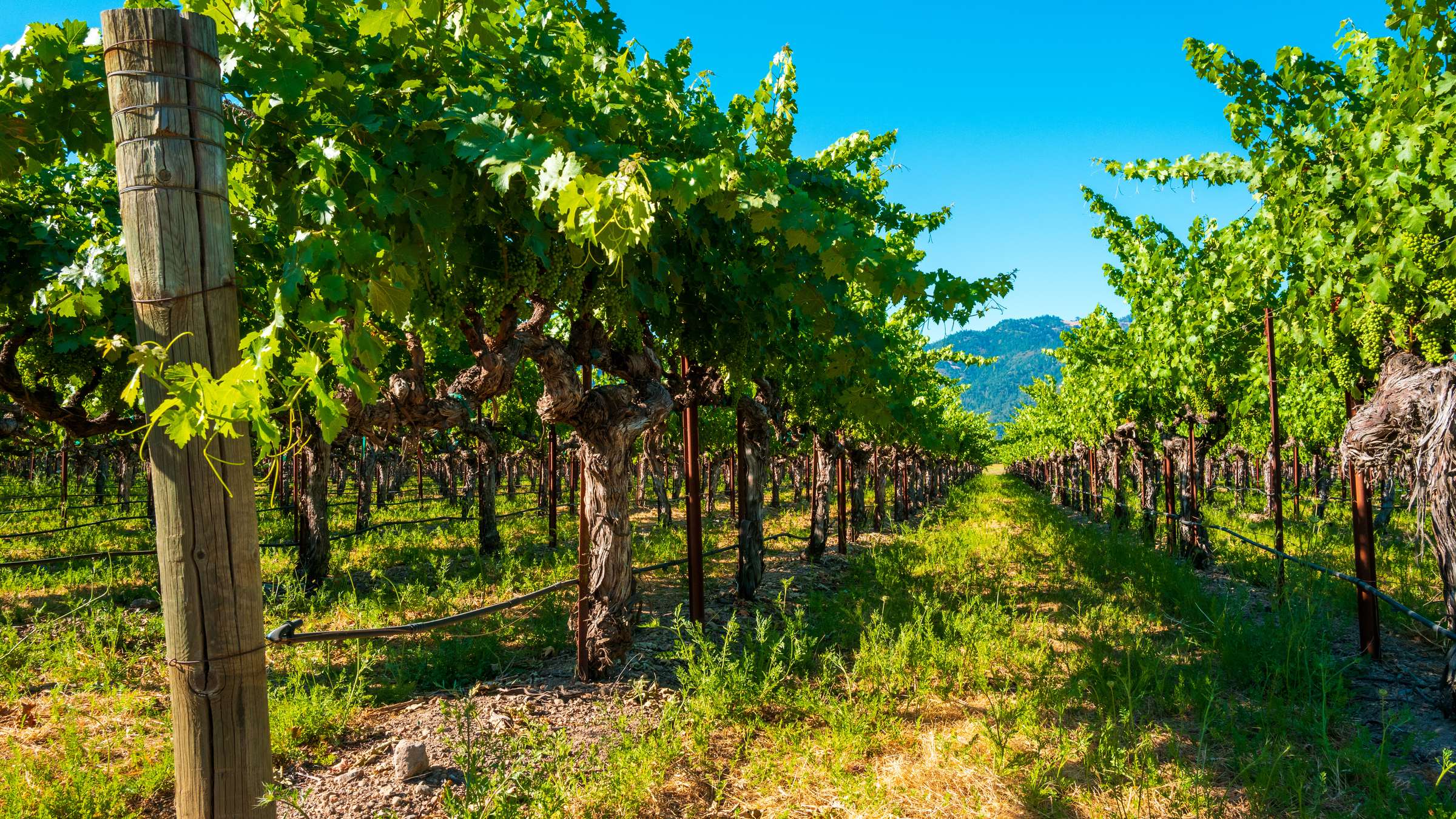
Photography, which is still filling in. Many venue pages show a photograph from the venue’s own website. Others carry our own photographs, licensed images, or photographs from Google credited to the people who took them, and some carry a general wine-country picture until we have one of the venue’s own. We will be asking venues directly, and a venue’s own photograph appears on its own page and its preview card, and nowhere else.
Deeper planning tools: itineraries, and better filtering across the fields we already hold.
How to get in touch
If you run a venue and something on your page is wrong, tell us and we will fix it, and we will not ask you to buy anything first. If you have a photograph you are happy for us to use, we would like to see it.
If you are planning a trip and cannot find what you need, that is useful to us too. Write to cheers@closertothevine.com, or read more about who we are.
Start with Napa Valley, Sonoma County or the Willamette Valley, or read the planning guides.
COMMON QUESTIONS
Before you go
Answers we give friends before they go.
What is Closer to the Vine?
An independent wine travel planning guide. It publishes structured, sourced detail on wineries, lodging, dining, transport and towns across the wine regions it covers, and is not affiliated with any winery, trade body or tourism board.
Which regions does it cover?
Three at launch: Napa Valley and Sonoma County in California, and the Willamette Valley in Oregon. Further regions are in preparation.
How many places are listed?
780 across the three regions, including 339 wineries, 157 places to stay, 62 restaurants, 47 attractions and 96 towns.
Where does the information come from?
From what each venue publishes about itself, on its own website or on a booking platform it controls. Aggregators, listicles and reviews are not used as sources. Where a venue publishes nothing on a question, the field is left blank rather than guessed.
Does Closer to the Vine take payment for listings?
No. There are no paid placements at launch. A photograph supplied by a venue is used on that venue's own page and its preview card only, and is never used in advertising.